Cost control
Continuous Optimisation, Not One-Off Reviews
We monitor usage, rightsize workloads, and rebalance infrastructure continuously. This means costs stay aligned with performance and business need.
Part of Adaptive Cloud, our managed service for Cloud 3.0 infrastructure.
The Problem
Cloud costs rise quietly.Usage patterns change. Workloads aren't rebalanced.
The reality in many organisations:
- Initial cloud migrations optimised for speed, not cost
- Workloads haven't been reviewed since deployment
- Usage patterns changed, but infrastructure didn't adapt
- Responsibility for cost sits with multiple teams
When finance asks for explanations, the data isn't readily available
THE SOLUTION
Cost control requires three things:


COST CONTROL
1. Cost Visibility
We track costs per workload, not just per platform.
What's included:
• Cost tracking by workload and business unit
• Usage monitoring across private cloud, public cloud, on-premise
• Trend analysis showing cost trajectory
• Forecasting capabilities
• Monthly reporting with actionable insights
COST CONTROL
2. Ongoing Optimisation
We continuously identify and implement cost optimisation opportunities.
What's included:
• Rightsizing recommendations (eliminate over-provisioning)
• Workload placement optimisation between private cloud and public cloud
• Storage tiering and optimisation (move cold data to cheaper storage)
• Reserved capacity planning (where economics favour commitment)
• Waste elimination (unused resources, zombie workloads)
• Performance monitoring (ensure optimisation maintains service levels)
COST CONTROL
3. Governance and Reporting
We provide cost governance that withstands scrutiny.
What's included:
• Monthly cost reviews with dedicated account manager
• Regular business reviews comparing forecast vs. actual
• Budget tracking and alerts
• Chargeback/showback models if needed
• Finance-ready reporting (not just technical metrics)
What sets you apart
Most organisations get reports. Few have continuous cost management.
As part of Adaptive Cloud, we optimise workload placement across private cloud, public cloud, and on-premise infrastructure — with storage rightsized and tiered — choosing the most cost-effective option for each workload.


WHAT COST CONTROL LOOKS LIKE
Optimised. Explainable. Predictable.
• Rightsizing opportunities identified
• Quick wins implemented (unused resources removed)
• Cost trends reported to stakeholders
• Optimisation opportunities identified and implemented
• Performance monitored to ensure service levels maintained
• Budget tracking and alerting
• Multi-period planning aligned with business strategy
• Benchmarking against industry standards
• Recommendations with ROI projections
What this gives you
- Explained costs (know why spend is what it is)
- Controlled spend (no surprise overruns)
- Optimised infrastructure (right-sized and right-placed)
- CFO confidence (costs defensible at board level)
Part of Adaptive Cloud: Start with cost control. Expand to recovery confidence. Full infrastructure management as value builds.
why synapse
Trusted for Cost Management in Complex Environments
Synapse provides cost optimisation for organisations with multi-platform infrastructure where spend accountability matters.
Proven Results:
- Regulated financial services: Significant cost reduction while maintaining performance
- Healthcare organisations: Predictable spend with evidence for finance teams
Freedom to Be Bold
Not Locked Into One Platform: Dell Titanium Partner and Microsoft Solutions Partner. We optimise across private cloud and public cloud. recommending what's most cost-effective, not what benefits a single vendor.
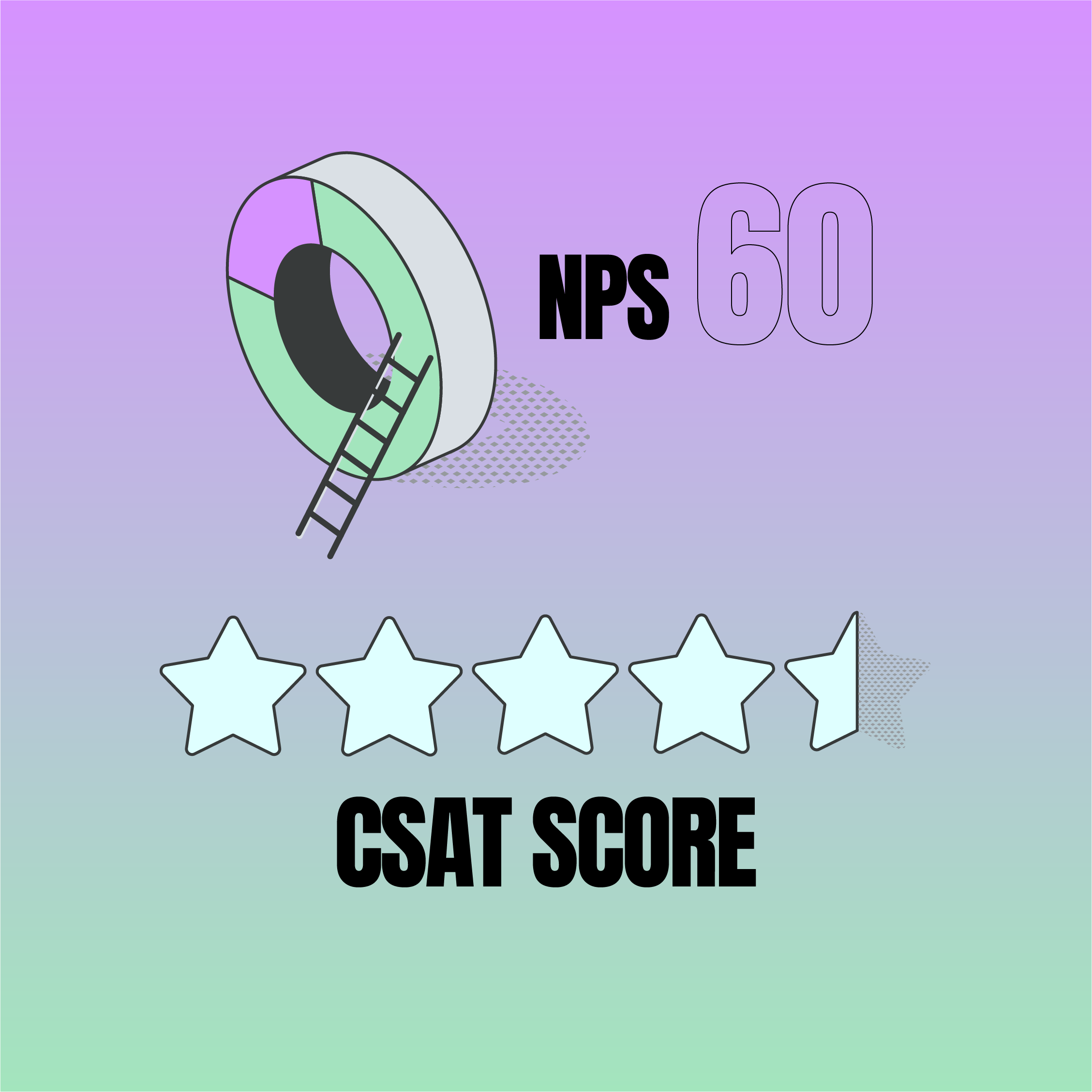
Service Accountability Model: We don't just provide reports. We remain accountable for cost control over time. Dedicated account manager. Monthly reviews. Ongoing optimisation. NPS +66. CSAT 4.5/5.
Expansion path
How Cost Control Expands
Most organisations start here because:
CFOs are asking for explanations. There is budget pressure and cloud costs are rising without clear justification.
Once cost is controlled, natural expansion follows:
- Next: Recovery Confidence - Optimise recovery infrastructure costs.
- Then: Sovereign Infrastructure - Add compliance considerations to placement decisions.
- Finally: AI Infrastructure Readiness - Enable AI with cost-controlled infrastructure.
This is Adaptive Cloud: Start with one outcome. Expand as value proven. Full infrastructure management over time.
Start with Cost Control
You don't need to fix everything at once.
Start where pressure is highest. Explained, controlled costs.